


-

Add: HeBei ShengShi HongBang Cellulose Technology CO.,LTD.
-

Email
13180486930@163.com -

CONTACT US
+86 13180486930


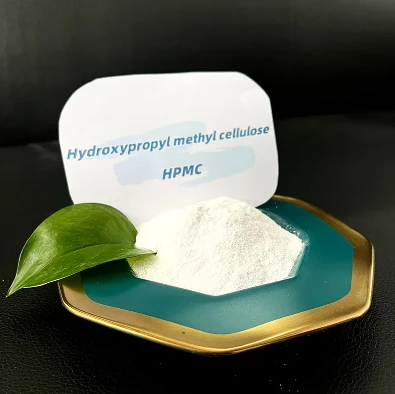


In the realm of pharmaceuticals, HPMC stands for Hydroxypropyl Methylcellulose, a compound indispensable to the formulation processes within the industry. Renowned for its multifaceted applications, HPMC is primarily utilized as an excipient — a substance formulated alongside the active ingredient of a medication. Its role extends beyond mere filler, showcasing an impressive array of functionalities that facilitate product development, ensure quality, and enhance therapeutic effectiveness. Born from cellulose, the most abundant organic polymer on Earth, HPMC emerges through a sophisticated chemical modification process. This modification bestows upon it unique properties such as water solubility, high viscosity, and a non-toxic nature. These characteristics make HPMC a critical ingredient in a diverse array of pharmaceutical products, from tablets and capsules to ophthalmic solutions and topical applications. One of the key benefits of HPMC in tablet formulation is its function as a disintegrant. In the human body, tablets must break down into smaller particles to assure the bioavailability of the drug. HPMC facilitates this process . It swells upon contact with water, helping the tablet to disintegrate promptly, speeding up the release and absorption of the active pharmaceutical ingredient (API). This efficiency enhances the drug’s effectiveness and reliability, a crucial factor in patient satisfaction and trust in pharmaceutical products. Additionally, HPMC acts as a controlled-release agent. In sustained release formulations, HPMC matrices regulate the rate at which the API is dispensed into the system, providing a consistent therapeutic effect over an extended period. This not only maximizes the efficacy of the medication but also improves patient compliance by reducing the frequency of doses required per day. In capsule production, HPMC is celebrated as a vegan alternative to gelatin. Increasingly, consumers are demanding plant-based options in their medicinal products, and HPMC serves this niche perfectly. It forms the backbone of non-animal-based capsules, ensuring that users adhering to vegan lifestyles or with dietary restrictions have access to safe and compliant pharmaceutical options. hpmc full form in pharma Beyond oral medications, HPMC's significance extends to topical pharmaceuticals. Its thickening and stabilizing attributes are particularly beneficial in creams and gels, ensuring the even distribution of the active substances across the applied surface area. In eye drops, HPMC's mucoadhesive properties prolong the retention time of the drops on the ocular surface, maximizing therapeutic contact time and enhancing patient comfort. Backed by comprehensive testing and approval from health regulatory bodies worldwide, HPMC is acknowledged as a safe and effective compound. Preclinical trials consistently affirm its biocompatibility and non-toxic nature, key attributes that bolster its standing as a preferred excipient in the pharmaceutical industry. Industry experts consistently highlight HPMC's versatility and reliability. Dr. Elaine Baxter, a leading pharmaceutical scientist, notes, The adaptability of HPMC in responding to varied formulation needs is unparalleled. It allows for innovation in drug delivery systems, paving the way for more personalized and effective therapies. As the pharmaceutical landscape evolves towards personalized medicine, the importance of excipients like HPMC is amplified. It plays a crucial role not only in the development of current oral, ophthalmic, and topical therapies but also blazes the trail for future innovations in drug delivery technologies. Researchers are actively exploring its potential in developing nanoparticles and 3D-printed medications, which could revolutionize how we perceive and administer treatments. In conclusion, HPMC's full form — Hydroxypropyl Methylcellulose — signifies much more than its name suggests. It embodies innovation in pharmaceutical formulation, providing expertise and reliability that underscore the efficacy and safety of countless medicinal products. Its diverse applications furnish the pharmaceutical industry with a tool that enhances product development, meets evolving consumer demands, and ultimately, manifests in therapeutic trustworthiness and authority.
- 40000tons

Production
- 20+years

Experience
- 5000+㎡

Acreage

-
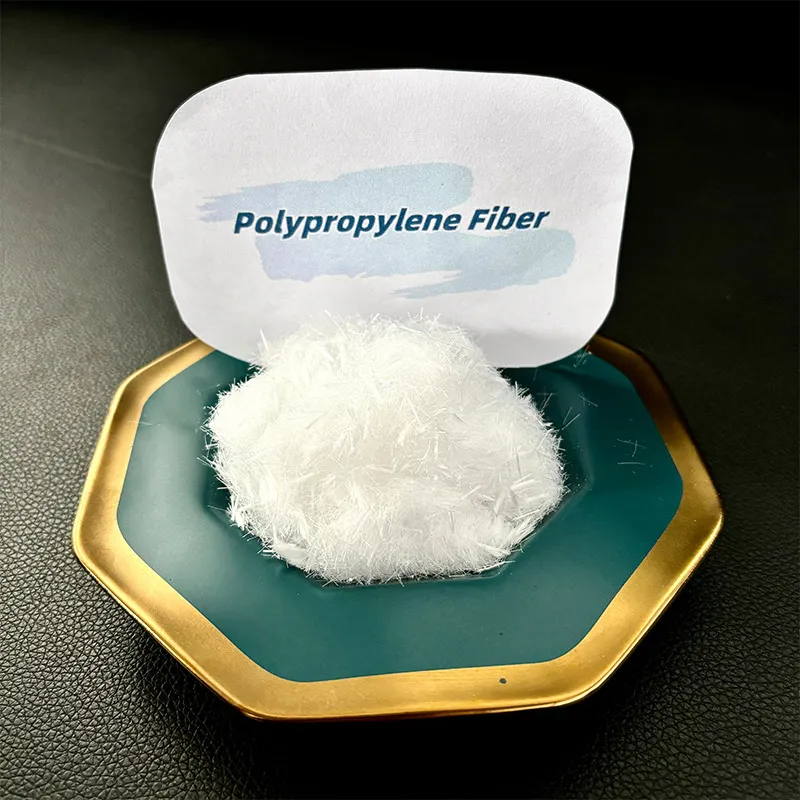
Rubber powder is a valuable material derived from the recycling of used tires and rubber products. Its transformation into fine particles creates a versatile product with a wide range of applications. One of the most notable advantages of rubber powder is its sustainability. By recycling old rubber, it reduces the environmental impact of tire waste and repurposes it for practical use in various industries. The use of rubber powder spans multiple sectors, including construction, automotive, and sports industries. It is commonly used as an additive in asphalt for road construction, offering increased durability and performance. Additionally, rubber powder is used in playground surfacing, providing a soft, shock-absorbing surface that is safe for children. Its durability and cushioning properties make it an essential material for improving the safety and longevity of various surfaces. As environmental concerns continue to rise, the demand for rubber powder has increased, as it provides a solution to managing rubber waste while offering benefits to different industries. The application of rubber powder is not only eco-friendly but also cost-effective, making it a preferred choice for manufacturers looking for sustainable materials. China Factory Rubber Powder: A Leading Supplier for Global Markets When it comes to sourcing high-quality rubber powder , China remains one of the largest and most efficient producers. The China factory rubber powder industry has grown rapidly due to its advanced recycling technologies and production capabilities. These factories are equipped with state-of-the-art machinery and processes that allow them to produce rubber powder in various grades and specifications to meet the diverse needs of international markets. The China factory rubber powder offers competitive pricing, making it an attractive option for businesses around the world. The ability to produce large quantities at low costs helps drive down the price of rubber powder , which benefits industries that rely on this material for production. China’s factories also have a well-established supply chain, ensuring that rubber powder can be delivered to customers in a timely manner. Moreover, Chinese manufacturers often provide customization options for rubber powder , allowing customers to specify the size, texture, and composition of the powder to suit their unique requirements. This flexibility makes China a go-to destination for businesses looking to source high-quality rubber powder at a competitive price. Rubber Powder Grinding Machine: Key to Efficient Production The production of rubber powder relies heavily on the use of a rubber powder grinding machine , which helps break down larger pieces of rubber into fine particles. These machines play a critical role in ensuring that the rubber is processed to the required consistency for various applications. Whether the powder is to be used in construction materials, coatings, or automotive products, the rubber powder grinding machine ensures that the end product meets quality standards. The rubber powder grinding machine uses advanced grinding techniques to process scrap rubber efficiently. These machines are designed to handle large volumes of material while producing consistent, fine rubber powder. Some models even incorporate air-flow or cryogenic grinding methods, which help preserve the integrity of the rubber and improve the quality of the final product. In addition to the grinding capabilities, the rubber powder grinding machine is built for durability and longevity, reducing the need for frequent maintenance. This is especially important for large-scale operations where continuous production is required. The machine also offers a high level of control over particle size and texture, making it ideal for producing rubber powder that meets specific industry needs. Recycled Rubber Powder Price: Affordable and Sustainable The recycled rubber powder price is one of the most attractive aspects of this material, especially when compared to the cost of virgin rubber or other raw materials. The price of recycled rubber powder is influenced by factors such as the quality of the rubber, the type of processing used, and the scale of production. However, despite these variables, recycled rubber powder price remains relatively affordable, particularly when purchased in bulk. The affordability of recycled rubber powder makes it an ideal choice for industries looking to reduce costs while maintaining high-quality standards. For example, in the construction sector, recycled rubber powder can be mixed with other materials to produce durable and cost-effective asphalt for roads. In sports applications, it is used for synthetic turf, track surfaces, and safety mats, providing excellent performance at a lower cost than alternative materials. Additionally, as the demand for sustainable products grows, the recycled rubber powder price has become even more competitive, with producers offering bulk discounts and incentives for large orders. Businesses looking to incorporate more eco-friendly materials into their products can benefit from the cost-effective nature of recycled rubber powder , while also contributing to the reduction of rubber waste. Uses of Crumb Rubber Powder: An Essential Material for Multiple Applications The uses of crumb rubber powder are incredibly diverse, making it a valuable commodity for several industries. One of the most popular uses of crumb rubber powder is in the creation of rubberized asphalt for road construction. This type of asphalt is more durable and resistant to wear, making it ideal for high-traffic areas. The inclusion of crumb rubber powder in asphalt also improves its ability to withstand extreme temperatures, reducing the need for frequent maintenance and repairs. Another common application of crumb rubber powder is in playground and sports surface construction. The powder is used to create shock-absorbing surfaces that reduce the risk of injuries during play or athletic activities. In addition, crumb rubber powder is used in the production of synthetic turf, creating a more durable and long-lasting product that mimics the look and feel of natural grass. In the automotive industry, crumb rubber powder is used as a component in tires, where it helps to enhance durability and performance. Additionally, it can be found in various rubber-based products, such as mats, seals, and gaskets, where it adds strength and resilience. As the demand for eco-friendly materials continues to grow, the uses of crumb rubber powder will only expand, offering a sustainable solution to industries that rely on rubber products. China F actory R ubber P owder FAQs What is rubber powder? Rubber powder is a fine material made from recycled rubber, often derived from used tires. It is processed into small particles and used in various applications, including construction, automotive, and sports industries. Where can I buy China factory rubber powder? You can buy high-quality China factory rubber powder from a wide range of suppliers online. Many suppliers offer customization options, allowing you to choose the specific size and composition of the powder you need for your project. What is a rubber powder grinding machine? A rubber powder grinding machine is a piece of equipment designed to break down larger pieces of rubber into fine particles. It plays a crucial role in ensuring that the rubber is processed to the desired consistency for various applications. How much does recycled rubber powder cost? The recycled rubber powder price varies depending on factors such as quality, processing methods, and order volume. However, it is generally considered an affordable material, especially when purchased in bulk. What are the uses of crumb rubber powder? The uses of crumb rubber powder are diverse, including applications in asphalt for road construction, playground and sports surfaces, automotive products, and synthetic turf. It provides durability, shock absorption, and enhanced performance in these industries. For more information or to order rubber powder for your projects, visit our website today and explore the wide range of products we offer.
-
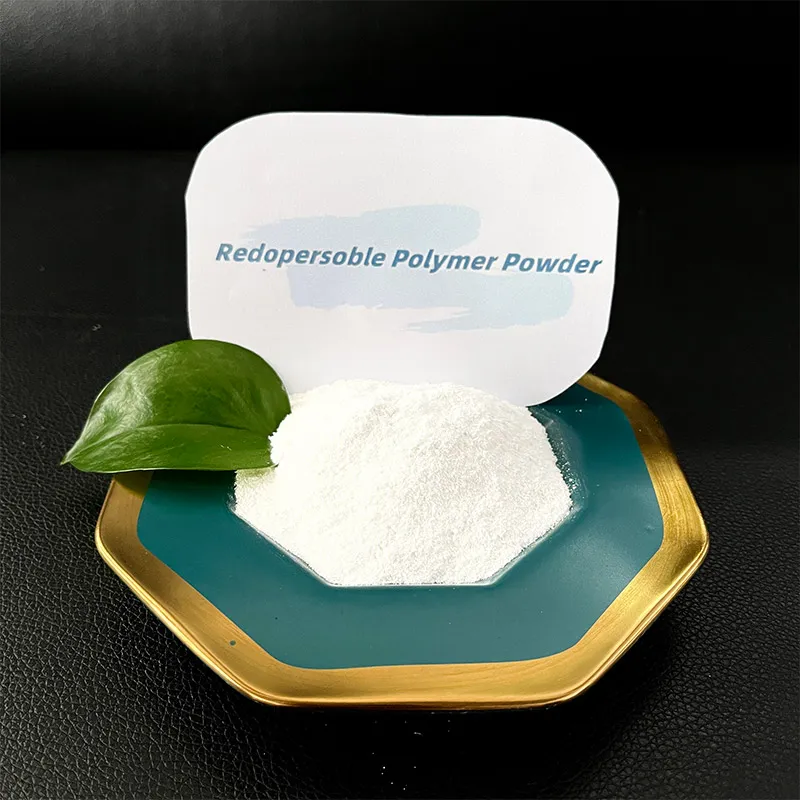
The Versatile Uses of Hydroxypropyl Methylcellulose Hydroxypropyl methylcellulose (HPMC) is a synthetic polymer derived from cellulose, a natural polymer found in the cell walls of plants. As a non-ionic, water-soluble substance, HPMC exhibits a range of properties that make it valuable across various industries, including pharmaceuticals, food, construction, and cosmetics . This article explores the diverse uses of hydroxypropyl methylcellulose and its significance in modern applications. Pharmaceutical Applications In the pharmaceutical industry, HPMC is primarily used as a thickening agent, binder, and film-forming agent in tablet formulations. Its ability to form gels when mixed with water makes it ideal for creating controlled-release drug formulations. This property is particularly beneficial for medications that require a gradual release of active ingredients over an extended period, enhancing therapeutic effects while minimizing side effects. HPMC is also widely used in ophthalmic preparations. Eye drops, gels, and ointments formulated with HPMC provide moisture retention and lubricating effects, which are essential for treating dry eye conditions and ensuring comfort in contact lens wearers. Additionally, HPMC assists in stabilizing emulsions and suspensions, ensuring consistent dosage delivery. Food Industry Applications The food industry reaps the benefits of HPMC for its thickening, emulsifying, and gelling properties. It is commonly used in low-fat and gluten-free products as a fat replacer and to improve texture and mouthfeel. HPMC enhances the consistency of sauces, dressings, and gravies, providing a desirable viscosity without adding extra calories. Moreover, it acts as a stabilizer in various food products, helping to maintain emulsions, thereby improving shelf life and product stability. In the realm of baking, HPMC is utilized as a gluten substitute, allowing manufacturers to create gluten-free baked goods that retain a similar texture to their gluten-containing counterparts. This is particularly important for individuals with celiac disease or gluten sensitivities, offering them safe and enjoyable food options. uses of hydroxypropyl methylcellulose Construction Industry Applications In construction, HPMC is an essential additive in cementitious materials, such as mortar and plaster, improving workability and reducing water usage. Its adhesive properties enhance the bonding of materials, making it an excellent choice for tiling adhesives and joint compounds. Furthermore, HPMC helps to improve the open time of these products, allowing for more precise application and adjustment during construction processes. As a water-retaining agent, HPMC contributes to the prevention of cracking and shrinkage in concrete. This is especially vital in hot and windy conditions, where rapid evaporation of water can compromise the integrity of concrete structures. By ensuring optimal moisture retention, HPMC promotes stronger and more durable construction materials. Cosmetic Applications In the cosmetics industry, HPMC serves as a thickening agent and stabilizer in various formulations, including lotions, creams, and gels. Its ability to retain moisture makes it a popular choice for skin care products, promoting hydration and improving the overall texture of the product. HPMC is also used in hair care products, where it functions as a conditioning agent, enhancing the manageability and shine of hair. Additionally, HPMC's film-forming properties make it suitable for use in color cosmetics, such as foundations and mascaras, helping to create a smooth, even application. Its non-ionic nature also reduces the risk of skin irritation, making it a safe option for sensitive skin types. Conclusion The versatility of hydroxypropyl methylcellulose makes it a valuable ingredient across multiple industries. From its critical role in pharmaceuticals and food products to its applications in construction and cosmetics, HPMC demonstrates a unique ability to enhance product performance and consumer satisfaction. As research continues to explore new applications and formulations, HPMC's significance in industrial and everyday products is likely to grow, underscoring the importance of this multifunctional polymer in modern society.
advantages
-

200000 Viscosities
Excellent product
We can produce pure products up to 200,000 viscosities
-

40000 tons
High yield
We don’t stop production all year round, and the annual output can reach 40,000 tons
-

24 hours
Quality service
We provide 24-hours online reception service, welcome to consult at any time
———— Inquiry Form
Schedule A services
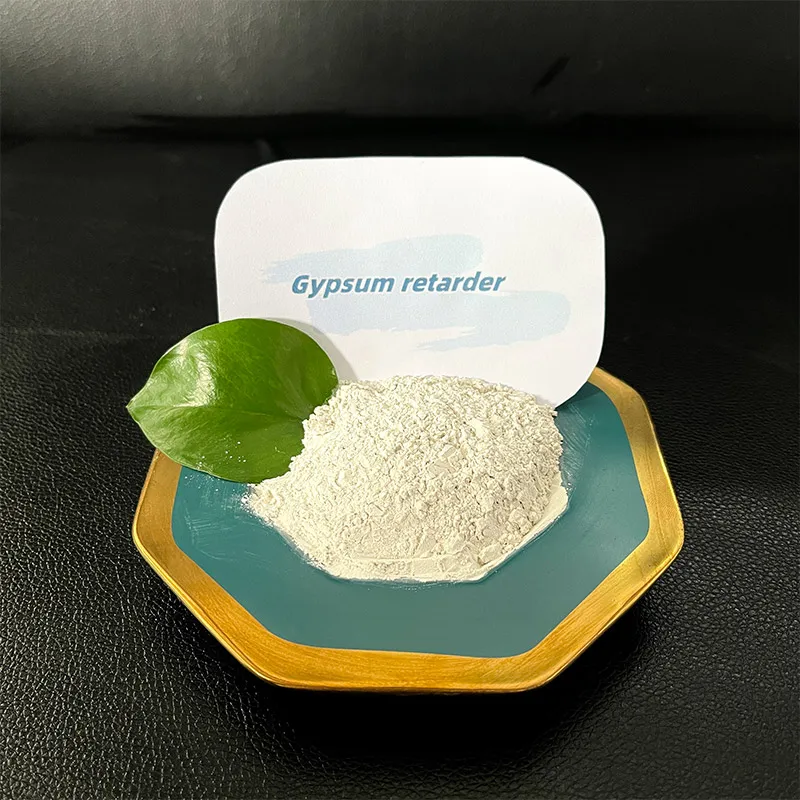
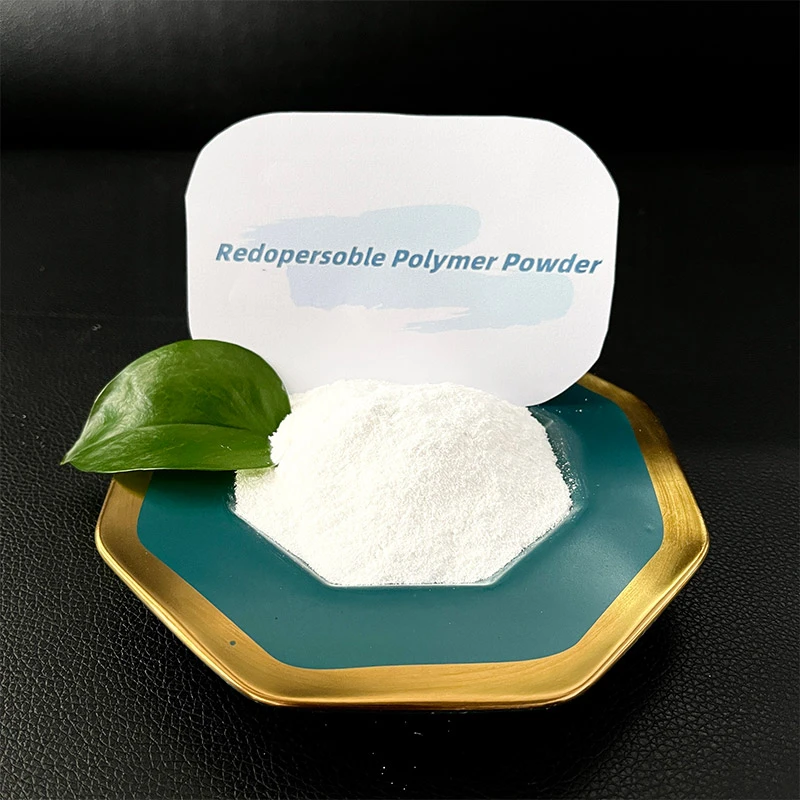
-
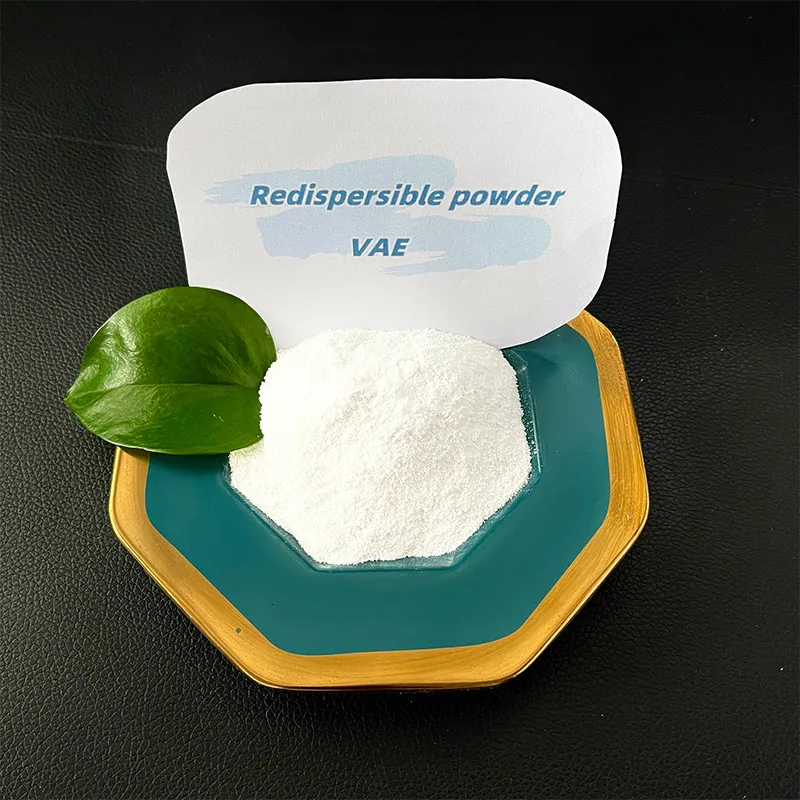 lldpe_powder_price
Oct . 25, 2025
Gentamicin with Hydroxypropyl Methylcellulose (HPMC) Eye/Ear Drops A Comprehensive Insight Gentamici -
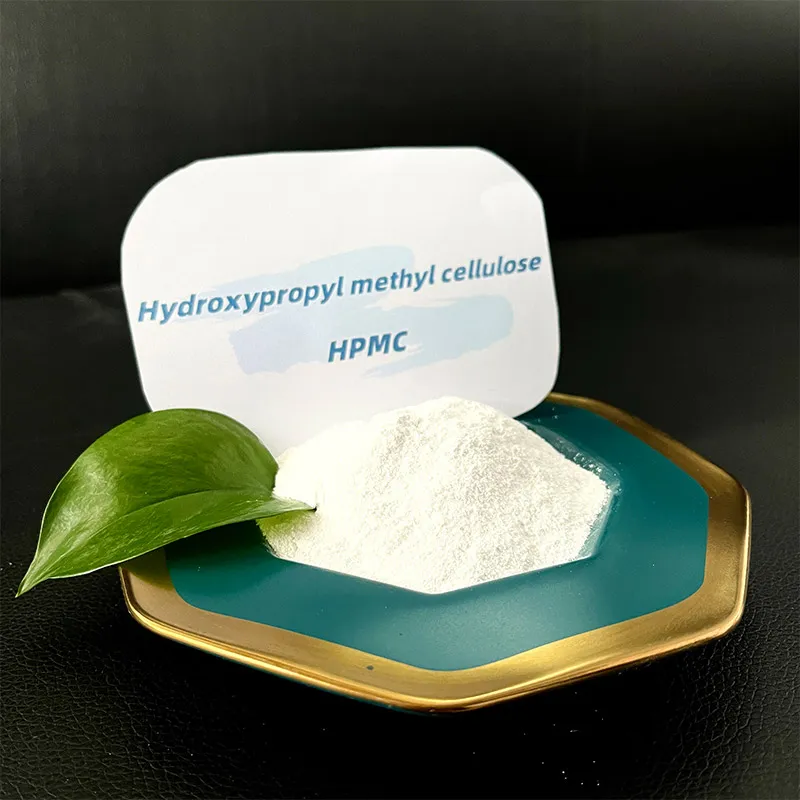 hpmc_gelation_temperature
Oct . 25, 2025
HPMC vegetable cellulose, a plant-derived compound, is revolutionizing the way industries approach p -
 hydroxypropyl_methylcellulose_skin
Oct . 25, 2025
Plaster Retarder & Gypsum Retarder: Industry Trends, Technical Specification, Comparison & Applicati


